
Clay and Straw as a Key: Rediscovering Traditional Knowledge to Build the Present
Traditional techniques, local materials and collective learning to explore different ways of building.
How can we recover traditional building knowledge and put it at the service of today’s needs?
This is one of the questions behind “Clay and Straw as a Key: Traditional Techniques Applied to Contemporary Construction”, a learning project developed by Creando Floresta, an Asturian organisation working at the intersection of community life, sustainability, and creative and participatory methodologies.
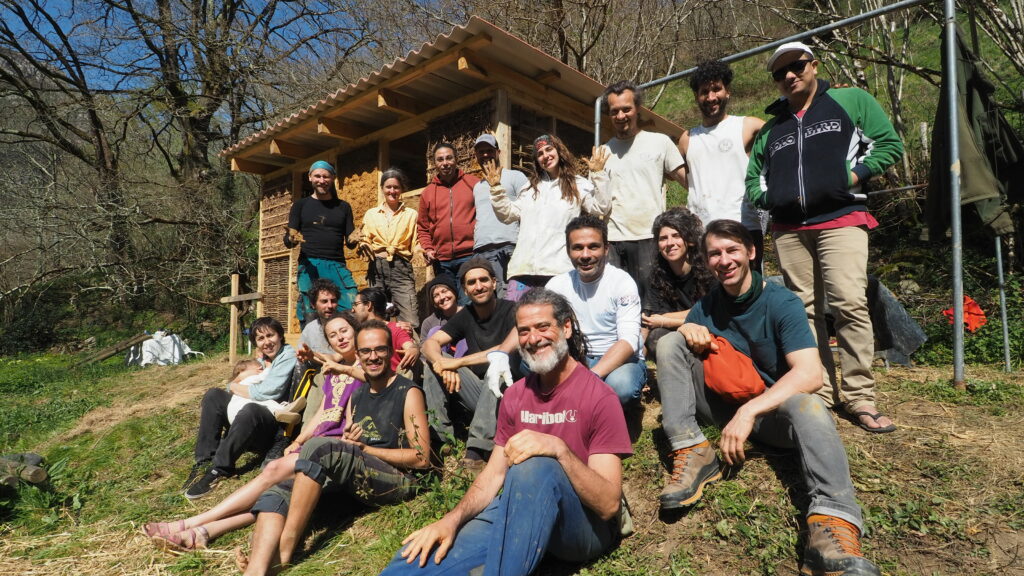
The project brought together participants from Spain, Slovenia, Italy, France, Sweden and Egypt to explore traditional building techniques and experiment with natural materials such as wood, clay and straw.
During two international gatherings—the first in Asturias, Spain, from 16 to 23 March, and the second at Zavod Veles, Slovenia, from 1 to 8 July 2026—we shared knowledge, worked with our own hands and explored different ways of adapting traditional techniques to contemporary construction.
Learning from the Land
raditional building techniques are not simply methods for raising walls or constructing buildings. They are also forms of knowledge deeply connected to a particular place.
Working with local materials means understanding what is available around us, learning about their properties and discovering how to use them appropriately. Recovering these techniques also means reconnecting with the memory, cultural identity and built heritage of each place.
This approach is closely connected to the work of Creando Floresta, which seeks to create learning experiences that bring people into closer relationship with one another, with the environment and with the knowledge rooted in each territory.
For this reason, the project focused on three key dimensions:
- The use of local resources, reducing dependence on external materials and processes.
- Cultural identity, recovering knowledge connected to traditional heritage and construction.
- Context, understanding that each technique responds to specific environmental, material and cultural conditions.
From Tradition to Contemporary Construction
During the gatherings, we had the opportunity to learn about and practise a wide variety of traditional and natural building techniques.
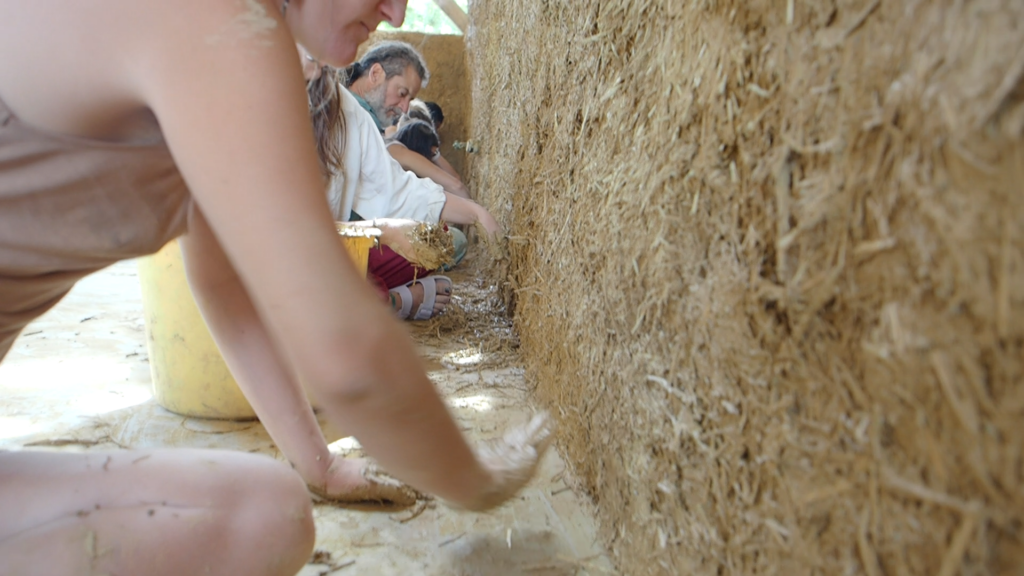
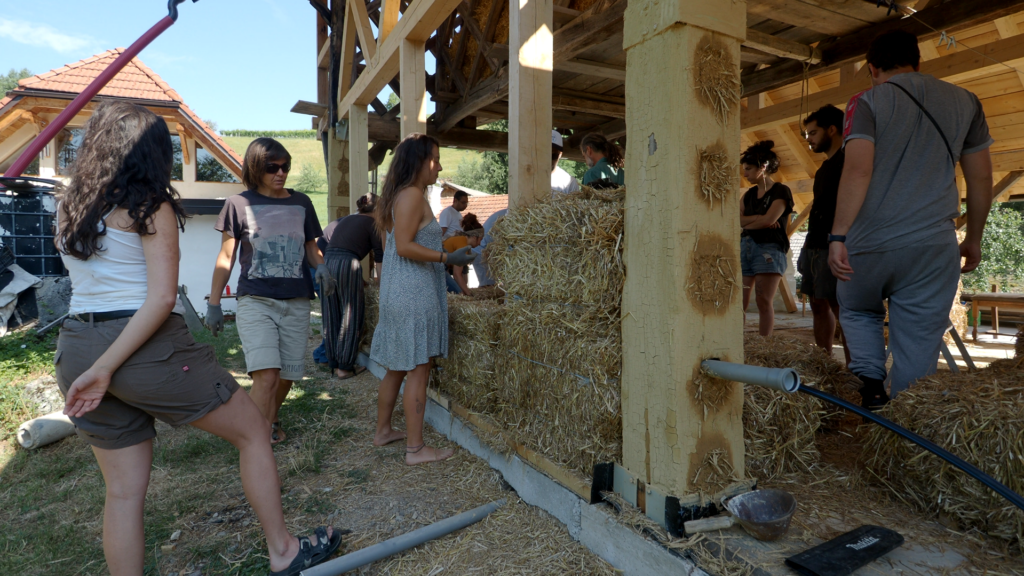
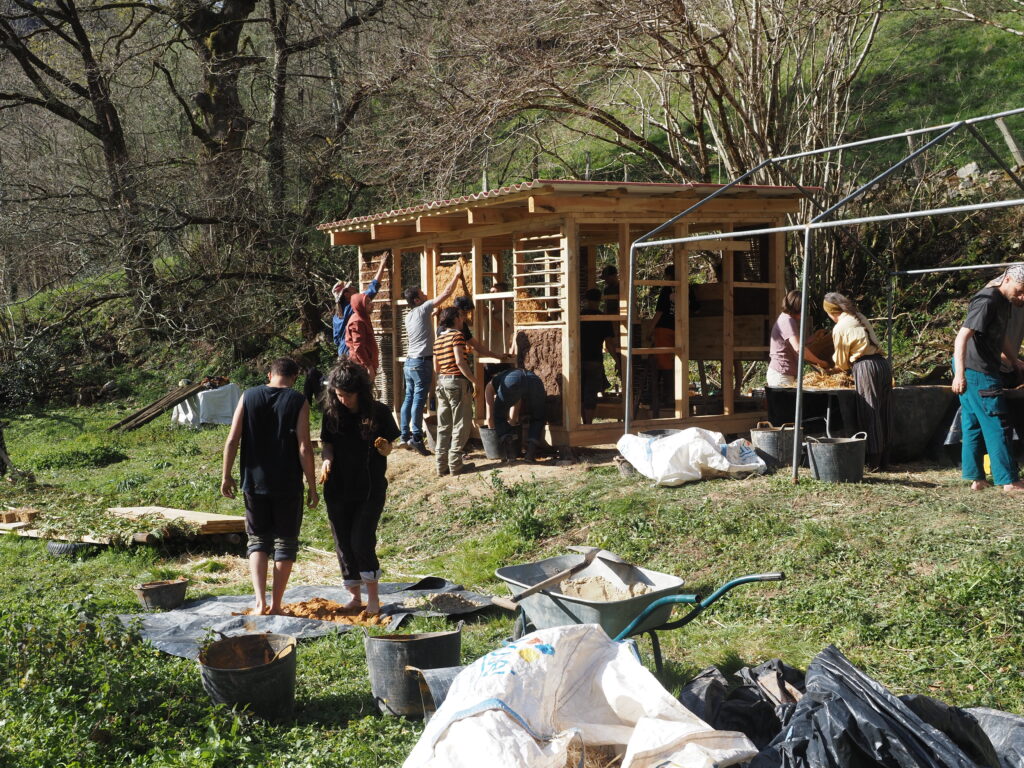
These included Cebatu, based on woven branches and plaster; lightweight adobe bricks; light clay and its combination with wooden laths; horizontal timber framing (Torchis); cordwood and COB walls; rammed earth; and construction with straw bales.
We also experimented with different finishing techniques, such as clay slip, clay plasters—from the base coat to the fine finish—light straw clay and Tadelakt.
Beyond learning how to reproduce each technique, the aim was to understand why, how and where they can be used, and what possibilities emerge when traditional knowledge is combined with the needs of contemporary construction.
In this way, the project was not about simply looking back at the past. It was about asking how knowledge developed over generations can become a resource for imagining more sustainable and locally adapted ways of building today.
Learning by Doing
Practical learning was a fundamental part of the project.
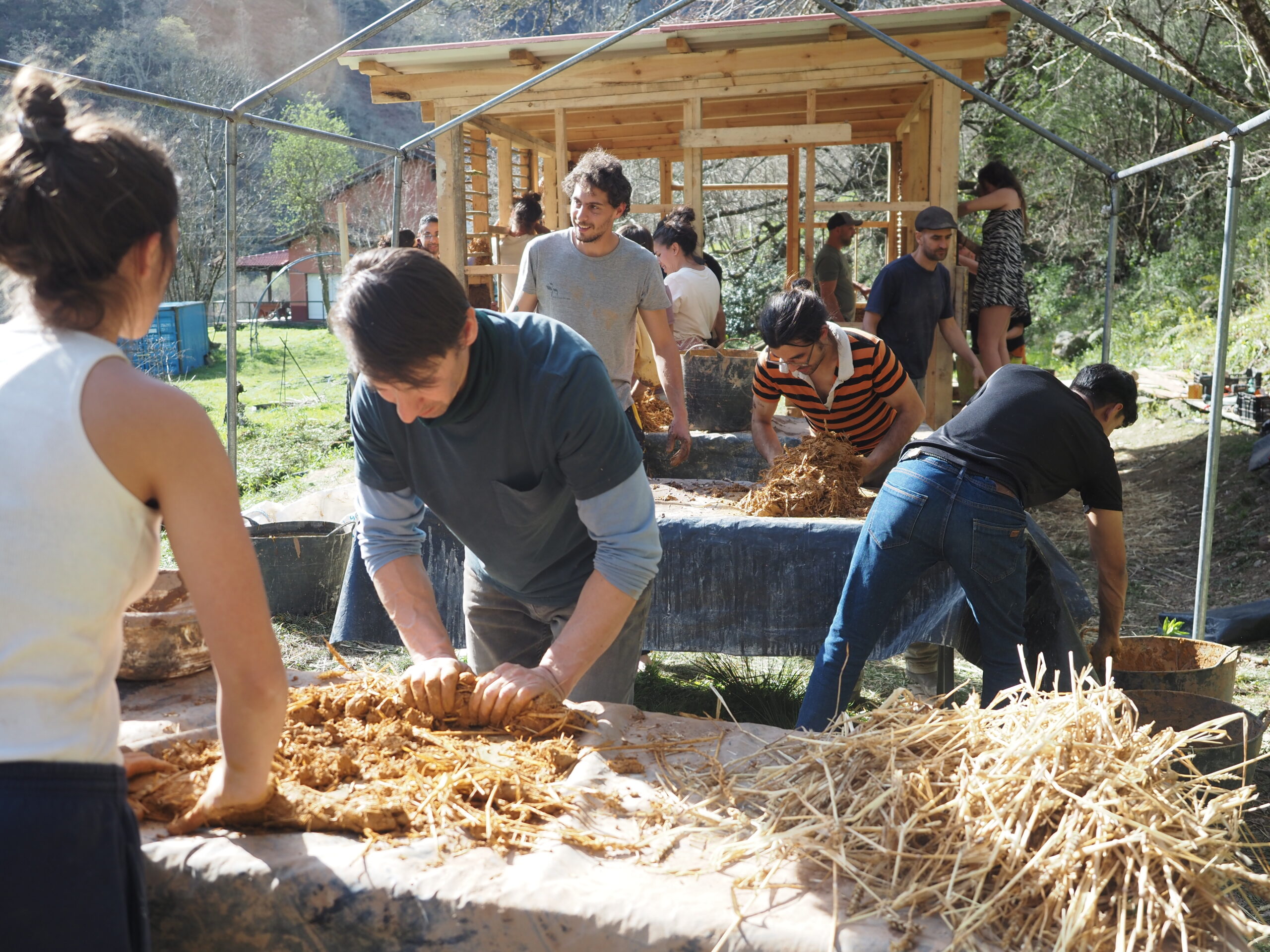
Rather than simply observing or receiving information, participants were able to work directly with the materials: touching the clay, preparing mixtures, building, testing different solutions and learning from mistakes along the way.
This type of learning helps recover something that is sometimes lost in contemporary construction processes: the direct relationship between people, materials and place.
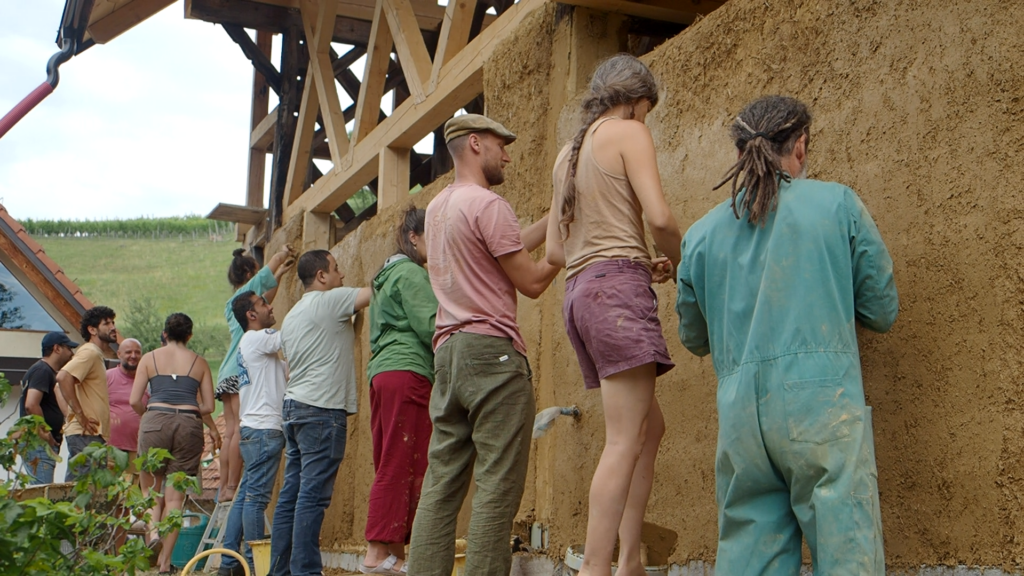
It also creates a different kind of learning space—one where knowledge is shared horizontally, through observation, practice, conversation and collaboration.
Above all, it allowed knowledge to travel from one place to another. A technique connected to a particular territory can become an opportunity to ask how its principles might be adapted to other contexts, without losing sight of the specific conditions of each place.
For Creando Floresta, this collective and participatory dimension is essential. Learning is not only about acquiring new skills, but also about creating relationships, exchanging perspectives and discovering what becomes possible when we learn together.
Knowledge to Share
An important part of the project was documenting and sharing what we learned, so that these techniques can continue travelling beyond the workshops and gatherings themselves.
You can consult the dossier containing the techniques learned during the first mobility in Asturias here:
Creando Floresta will also share the second dossier soon, focusing on the techniques learned during the mobility in Slovenia.
You Can Also See the Techniques in Action
In addition to the written materials, we have created a series of short videos explaining each of the techniques explored during the project.
Some are already available, and we will continue publishing new content over the coming weeks.
Building by Connecting Past and Future
“Clay and Straw as a Key” is based on a simple idea: traditional knowledge can help us imagine more sustainable ways of building today.
By working with local materials, recovering traditional techniques and learning collectively, the project explores ways of building that are more connected to people, communities and place.
Above all, it has been an opportunity to learn by doing, share knowledge, connect across cultures and build together.
More information and updates
👉 Instagram: @creandofloresta
🌿 About Creando Floresta

Creando Floresta is an Asturian organisation dedicated to community life, sustainability, and creative and participatory methodologies. Through workshops, gatherings and training activities with an artistic and ecological approach, it creates spaces for people to learn, connect, share knowledge and explore new ways of relating to one another and to the environment.

As part of the Yes to Sustainability (YTS) network, Creando Floresta connects its local work with a wider international community committed to sustainability, participation, learning and social and ecological transformation.